Understanding Bleeding Gums During Pregnancy: Causes and Solutions
Pregnancy, Your Body
June 27, 2026, 11:26 p.m.
Pregnancy is a time of immense change, both physically and emotionally. One common yet often overlooked issue that many expectant mothers face is bleeding gums. Although it may seem like a minor inconvenience, addressing bleeding gums during pregnancy is crucial for maintaining overall health and well-being. This article delves into the causes, symptoms, treatments, and prevention strategies for bleeding gums during pregnancy, offering comprehensive insights and practical advice for expecting mothers.
Overview of the Issue: Bleeding gums during pregnancy, also known as pregnancy gingivitis, is a widespread condition characterized by inflammation and bleeding of the gums. It is primarily caused by hormonal changes that occur during pregnancy, which can lead to increased blood flow to the gums and a heightened response to plaque and bacteria. While bleeding gums can be alarming, understanding the root causes and addressing them promptly can prevent further complications and ensure a healthy pregnancy.
Importance of Addressing Bleeding Gums During Pregnancy: Ignoring bleeding gums during pregnancy can lead to more serious oral health issues, such as periodontal disease, which has been linked to adverse pregnancy outcomes like preterm birth and low birth weight. Additionally, maintaining good oral health is essential for overall well-being, as it can impact other aspects of health, including cardiovascular health and diabetes management. Therefore, it is vital for pregnant women to pay attention to their oral hygiene and seek appropriate care if they experience bleeding gums.
Understanding the causes of bleeding gums during pregnancy can help in taking preventive measures and seeking appropriate treatment. Several factors contribute to this condition, each playing a significant role in the onset and progression of gum inflammation.
Hormonal Changes: Hormonal fluctuations during pregnancy, particularly the increase in progesterone and estrogen levels, can make the gums more susceptible to plaque and bacteria. These hormones can cause the blood vessels in the gums to dilate, leading to increased blood flow and a heightened inflammatory response to irritants. This hormonal impact is one of the primary reasons pregnant women are more prone to gum disease and bleeding gums.
Increased Blood Flow: During pregnancy, the body increases blood production to support the growing fetus. This increased blood flow can cause the gums to become more sensitive and prone to swelling and bleeding. The gums may appear redder and more inflamed, and even minor irritation from brushing or flossing can lead to noticeable bleeding.
Gum Disease: Gum disease, or periodontal disease, is a severe condition that can develop if bleeding gums are left untreated. It occurs when plaque and bacteria accumulate along the gum line, leading to infection and inflammation. Pregnant women are at a higher risk of developing gum disease due to hormonal changes and increased blood flow. If not addressed, gum disease can cause tooth loss and has been associated with complications such as preterm birth and low birth weight.
Poor Oral Hygiene: Neglecting oral hygiene can exacerbate the problem of bleeding gums during pregnancy. Failing to brush and floss regularly allows plaque and bacteria to build up, irritating the gums and leading to inflammation and bleeding. Maintaining a consistent oral hygiene routine is crucial for preventing gum disease and ensuring healthy gums throughout pregnancy.
Recognizing the symptoms of bleeding gums during pregnancy and seeking timely diagnosis is essential for effective management and treatment. Here are some common symptoms and the diagnostic procedures involved.
Common Symptoms: The primary symptom of pregnancy gingivitis is bleeding gums, particularly when brushing or flossing. Other symptoms include red, swollen, or tender gums, persistent bad breath, and a metallic taste in the mouth. In more severe cases, the gums may recede, and small pockets may form between the teeth and gums, leading to further complications.
When to See a Doctor: It is important to consult a dentist or healthcare provider if you experience persistent gum bleeding, swelling, or pain. Early intervention can prevent the progression of gum disease and other oral health issues. Additionally, if you notice any signs of infection, such as pus around the gums or loose teeth, seek professional care immediately.
Diagnostic Procedures: A dentist will perform a thorough examination of your gums and teeth to diagnose the cause of bleeding gums. This may include measuring the depth of the pockets around your teeth, checking for signs of gum recession, and assessing your overall oral hygiene. In some cases, dental X-rays may be taken to evaluate the health of the underlying bone and tissues. Blood tests may also be recommended to rule out any underlying conditions that could be contributing to gum problems.
There are various solutions and treatments available to manage bleeding gums during pregnancy. These range from home remedies to professional dental treatments and medications.
Home Remedies: Several home remedies can help alleviate the symptoms of bleeding gums. These include rinsing with warm salt water to reduce inflammation, using a soft-bristled toothbrush to avoid irritating the gums, and maintaining a consistent oral hygiene routine. Additionally, increasing your intake of vitamin C and avoiding sugary foods can support gum health.
Professional Dental Treatments: Professional dental treatments may be necessary for more severe cases of bleeding gums. These can include professional cleanings to remove plaque and tartar buildup, scaling and root planing to treat gum disease, and laser therapy to reduce inflammation and promote healing. Regular dental checkups are essential for monitoring gum health and addressing any issues promptly.
Medications and Safe Practices: In some cases, medications may be prescribed to manage gum inflammation and infection. Antibiotics or antimicrobial mouthwashes can help control bacterial growth and reduce symptoms. It is important to discuss any medications with your healthcare provider to ensure they are safe for use during pregnancy. Additionally, practicing good oral hygiene and avoiding tobacco products can support overall gum health and prevent complications.
Preventing bleeding gums during pregnancy involves maintaining good oral hygiene practices, adopting a healthy diet, and scheduling regular dental checkups.
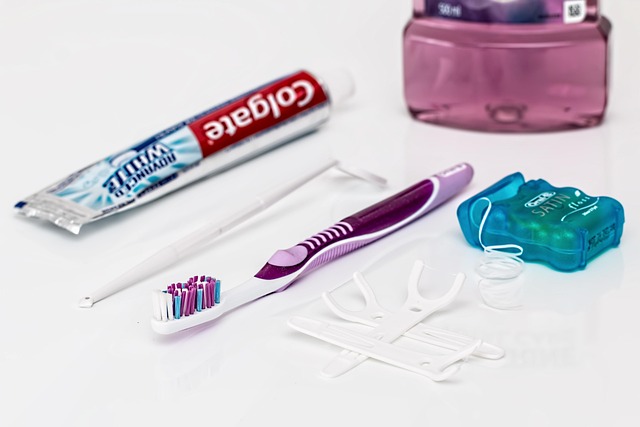
Maintaining Oral Hygiene: Consistent oral hygiene is the cornerstone of preventing bleeding gums. This includes brushing your teeth at least twice a day with fluoride toothpaste, flossing daily to remove plaque between the teeth, and using an antimicrobial mouthwash. It is also important to replace your toothbrush every three to four months or sooner if the bristles become frayed.
Diet and Nutrition: A balanced diet rich in essential nutrients can support gum health and prevent bleeding gums. Foods high in vitamin C, such as citrus fruits, strawberries, and bell peppers, can strengthen the gums and reduce inflammation. Additionally, calcium-rich foods like dairy products, leafy greens, and fortified cereals can help maintain strong teeth and bones. Avoiding sugary snacks and beverages can also prevent plaque buildup and gum irritation.
Regular Dental Checkups: Regular dental checkups are crucial for monitoring gum health and addressing any issues early. It is recommended to visit your dentist at least twice during pregnancy for professional cleanings and examinations. Inform your dentist about your pregnancy so they can take appropriate precautions and provide tailored care. Early detection and treatment of gum problems can prevent more serious complications and ensure a healthy pregnancy.
Bleeding gums during pregnancy can have a broader impact on overall health, affecting both the mother and the developing baby.
Link Between Oral Health and Pregnancy Outcomes: Research has shown a significant link between oral health and pregnancy outcomes. Poor oral health, including gum disease, has been associated with an increased risk of preterm birth, low birth weight, and preeclampsia. Maintaining good oral hygiene and addressing gum problems promptly can contribute to a healthier pregnancy and reduce the risk of complications.
Long-term Effects if Untreated: If left untreated, bleeding gums can progress to more severe gum disease, leading to tooth loss and bone damage. Additionally, chronic inflammation and infection in the gums can have systemic effects, potentially impacting cardiovascular health and increasing the risk of conditions such as diabetes. Therefore, it is essential to address bleeding gums during pregnancy to prevent long-term health issues and ensure overall well-being.
In conclusion, bleeding gums during pregnancy is a common issue that should not be ignored. By understanding the causes, symptoms, and treatments, expecting mothers can take proactive steps to maintain their oral health and support a healthy pregnancy. Regular dental checkups, good oral hygiene practices, and a balanced diet are key to preventing and managing bleeding gums. Addressing this issue promptly can prevent more serious complications and promote overall health for both mother and baby.
Summary of Key Points: Bleeding gums during pregnancy are primarily caused by hormonal changes, increased blood flow, gum disease, and poor oral hygiene. Recognizing the symptoms and seeking timely diagnosis and treatment are essential for effective management. Home remedies, professional dental treatments, and medications can help alleviate symptoms and address underlying causes. Preventive strategies, such as maintaining oral hygiene, adopting a healthy diet, and scheduling regular dental checkups, are crucial for preventing bleeding gums and ensuring overall well-being.
Encouragement for Expecting Mothers: Expecting mothers are encouraged to prioritize their oral health during pregnancy. Taking care of your gums and teeth can have a positive impact on your overall health and the health of your baby. Don't hesitate to seek professional care if you experience any symptoms of bleeding gums. Remember, maintaining good oral hygiene and addressing any issues promptly can contribute to a healthier, happier pregnancy. Stay proactive, stay informed, and take the necessary steps to ensure your oral health remains in top condition throughout this special time.

By NiceBabyName Editorial Team
Expert insights on baby names, nameology, and the Four Aspects methodology by Dr. Hosein Arani, M.D.