7 Effective Ways to Cheer Up Your Toddler: Enhancing Emotional Development in Early Childhood
Toddler, Development
July 1, 2026, 12:14 a.m.
Understanding and nurturing emotional development in toddlers is crucial for their overall well-being. Emotional development during early childhood lays the foundation for how children perceive themselves, interact with others, and handle life's challenges. As parents and caregivers, it's essential to recognize the importance of emotional development and learn effective ways to support and cheer up our little ones during their formative years.
Importance of Emotional Development: Emotional development in toddlers is a vital aspect of their growth. It includes understanding and managing emotions, developing empathy, forming healthy relationships, and building self-esteem. These skills are essential for a child's mental health and social interactions. Toddlers who receive proper emotional support tend to be more confident, resilient, and capable of navigating social environments. By focusing on emotional development, parents can help their children develop a strong foundation for future success and happiness.
Understanding Toddler Emotions: Toddlers experience a wide range of emotions, often more intensely than adults. Their emotional expressions can be baffling, ranging from extreme joy to sudden meltdowns. Understanding that these emotional swings are a normal part of development can help parents respond with patience and empathy. Toddlers are still learning to regulate their emotions and express their needs effectively. Recognizing the signs of different emotions and responding appropriately can help toddlers feel understood and secure.
Cheering up a toddler can sometimes seem like a daunting task, but with the right strategies, it can be a rewarding experience that strengthens your bond. Here are seven effective ways to cheer up your toddler, each of which also supports their emotional development.
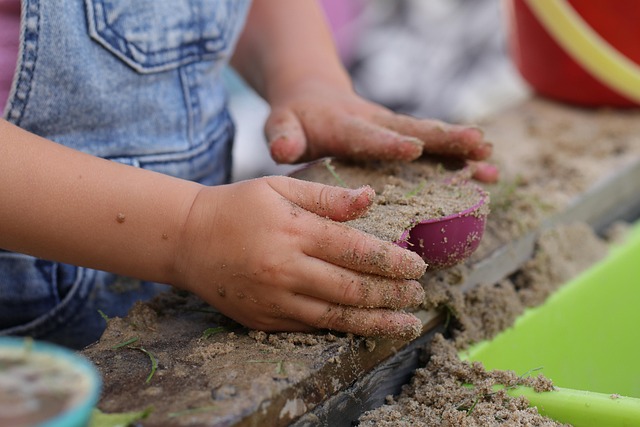
1. Engage in Playtime: Playtime is not only fun but also a critical component of a toddler's development. Engaging in play helps toddlers express their emotions, develop social skills, and bond with caregivers. Whether it's imaginative play, physical activities, or simple games, dedicating time to play with your toddler can lift their spirits and provide a healthy outlet for their feelings.
2. Offer Comfort Through Physical Touch: Physical touch is a powerful way to provide comfort and reassurance to toddlers. Hugs, cuddles, and gentle touches can help calm an upset toddler and make them feel safe and loved. Physical affection releases oxytocin, a hormone that promotes bonding and reduces stress, making it an effective way to soothe your child.
3. Create a Calm Environment: A calm and predictable environment can help reduce anxiety and emotional outbursts in toddlers. This includes maintaining a consistent routine, minimizing loud noises, and creating a safe space where your child can retreat if they feel overwhelmed. A peaceful environment helps toddlers feel secure and more in control of their emotions.
4. Use Positive Reinforcement: Positive reinforcement involves acknowledging and rewarding positive behavior, which can boost a toddler's mood and encourage good habits. Praising your child for their efforts, no matter how small, helps build their self-esteem and reinforces the idea that they are valued and appreciated.
5. Encourage Expressive Activities: Encouraging activities that allow toddlers to express their emotions creatively can be very beneficial. This can include drawing, painting, singing, or dancing. These activities provide an outlet for toddlers to process and communicate their feelings in a healthy and constructive manner.
6. Spend Quality Time Together: Spending quality time with your toddler, free from distractions, is crucial for their emotional well-being. This one-on-one time can include reading together, going for a walk, or simply talking. Quality time helps strengthen the parent-child bond and assures your toddler that they are loved and important.
7. Introduce Simple Routines: Toddlers thrive on routine because it gives them a sense of predictability and security. Simple routines, such as a consistent bedtime schedule or regular mealtimes, help toddlers feel more in control and less anxious. Routines also provide structure, which can reduce emotional outbursts and make transitions smoother.
While there are many effective ways to cheer up your toddler, it's also important to recognize and address common challenges that may arise. Understanding these challenges and finding practical solutions can help you better support your child's emotional development.
Identifying Triggers: Identifying the triggers that cause distress in your toddler is the first step in addressing their emotional needs. These triggers can be anything from hunger and fatigue to overstimulation and changes in routine. By recognizing what upsets your child, you can take proactive steps to prevent or mitigate these triggers, helping your toddler feel more secure and content.
Dealing with Tantrums: Tantrums are a common occurrence in toddlerhood and can be challenging for parents to manage. It's important to remain calm and composed during a tantrum, as reacting with anger or frustration can escalate the situation. Instead, try to understand the underlying cause of the tantrum and address it with patience and empathy. Offering comfort and reassurance can help your toddler regain control of their emotions.
When to Seek Professional Help: While occasional mood swings and tantrums are normal, there are times when professional help may be needed. If your toddler exhibits persistent signs of emotional distress, such as prolonged sadness, anxiety, or aggressive behavior, it may be beneficial to seek guidance from a pediatrician or child psychologist. Early intervention can provide the necessary support and resources to help your child navigate their emotions effectively.
Parents and caregivers play a pivotal role in supporting a toddler's emotional development. By modeling positive behavior, providing consistent responses, and building a strong support system, you can create a nurturing environment that promotes emotional well-being.
Modeling Positive Behavior: Children learn by observing the actions and reactions of those around them. Modeling positive behavior, such as expressing emotions healthily, demonstrating empathy, and handling stress calmly, sets a powerful example for your toddler. When parents exhibit positive emotional responses, children are more likely to adopt similar behaviors.
Consistency in Responses: Consistency in how you respond to your toddler's emotions is crucial for their emotional development. Predictable and stable reactions help your child feel secure and understand what to expect. Whether it's responding to a tantrum or providing comfort, consistency helps build trust and fosters a sense of safety.
Building a Support System: A strong support system, including family, friends, and childcare providers, can significantly impact a toddler's emotional development. Surrounding your child with caring and supportive individuals provides additional sources of comfort and guidance. A robust support system also ensures that parents have the resources and assistance they need to effectively nurture their child's emotional well-being.
Emotional development is a critical aspect of early childhood that requires attention and care. By implementing effective strategies to cheer up your toddler and addressing common challenges, parents can support their child's emotional growth and create a positive and nurturing environment.
Recap of Key Points: In summary, understanding the importance of emotional development and recognizing toddler emotions are the first steps in supporting your child's well-being. Engaging in playtime, offering comfort through physical touch, creating a calm environment, using positive reinforcement, encouraging expressive activities, spending quality time together, and introducing simple routines are all effective ways to cheer up your toddler and promote their emotional health.
Long-term Benefits of Emotional Development: Fostering emotional development in early childhood has long-term benefits that extend into adolescence and adulthood. Children who receive proper emotional support are more likely to develop strong social skills, resilience, and a positive self-image. By prioritizing emotional development, parents can help their children build a solid foundation for a happy and successful future.
Find the perfect name for your baby
Discover your baby's Governing Planet, Temperament, Rising Sign and Rising Degree with a holistic Nameology reading.
Get a full 4-Aspect nameology report
By NiceBabyName Editorial Team
Expert insights on baby names, nameology, and the Four Aspects methodology by Dr. Hosein Arani, M.D.
Share Article
Shop baby essentials
Handpicked baby & nursery ideas for expectant parents. As an Amazon Associate we earn from qualifying purchases.