Comprehensive Guide to 4.5-Year-Old Milestones and Development
Toddler, Development
June 29, 2026, 8:07 a.m.
Understanding the development of a 4.5-year-old child is crucial for parents and caregivers. At this stage, children are transitioning from toddlerhood to early childhood, a period marked by significant growth and changes across various domains. This guide aims to provide a comprehensive overview of the developmental milestones typical for children at this age, helping parents and caregivers support their child's growth effectively.
Overview of Developmental Milestones: By the age of 4.5, children exhibit a broad range of developmental milestones. These include physical growth, such as improved coordination and strength, as well as cognitive advancements like enhanced language skills and problem-solving abilities. Socially and emotionally, 4.5-year-olds begin to form deeper relationships with peers and develop a stronger sense of self. Recognizing these milestones helps in fostering a supportive environment for the child's overall development.
Importance of Understanding Developmental Stages: Understanding the developmental stages of a 4.5-year-old is vital as it allows parents and caregivers to provide appropriate support and interventions. Each stage of development builds on the previous one, making it essential to recognize and nurture the child's current abilities. This knowledge helps in identifying any potential delays early on, ensuring timely assistance and promoting the child's well-being and growth.
Physical development in 4.5-year-olds is marked by significant improvements in both gross and fine motor skills. Children at this age are becoming more coordinated and physically capable, which enables them to engage in a variety of activities that enhance their growth and development.
Gross Motor Skills: By the age of 4.5, children typically exhibit advanced gross motor skills. They can run, jump, and climb with greater ease and confidence. Activities such as playing on playground equipment, riding a tricycle, and participating in sports help to further develop these skills. Encouraging regular physical activity is crucial for enhancing their coordination, balance, and overall physical health.
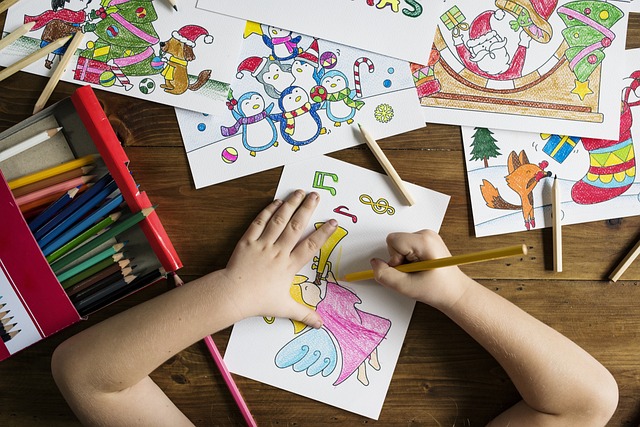
Fine Motor Skills: Fine motor skills also see substantial improvement at this stage. Children become more adept at tasks that require hand-eye coordination and precision, such as drawing, cutting with scissors, and assembling small objects. These skills are essential for daily activities and academic tasks, making it important to provide opportunities for practice and development through activities like arts and crafts.
Physical Growth Patterns: Physical growth patterns in 4.5-year-olds can vary widely, but generally, children continue to grow steadily in height and weight. Their muscle mass increases, contributing to greater strength and endurance. Regular check-ups with pediatricians help monitor growth patterns and ensure that children are developing healthily. Nutrition and physical activity play key roles in supporting optimal growth during this period.
Cognitive development in 4.5-year-olds encompasses a range of skills including language, problem-solving, and memory. Children at this age are curious and eager to learn, making it a prime time for cognitive growth and exploration.
Language and Communication Skills: At 4.5 years old, children's language and communication skills are rapidly advancing. They can construct complex sentences, understand and use a larger vocabulary, and engage in more sophisticated conversations. Reading books, storytelling, and engaging in discussions are excellent ways to support language development.
Problem-Solving and Critical Thinking: Problem-solving and critical thinking skills are also developing at this age. Children begin to understand cause-and-effect relationships and can solve simple puzzles and problems. Encouraging activities that challenge their thinking, such as building blocks, sorting games, and interactive play, helps to enhance these cognitive skills.
Memory and Attention Span: Memory and attention span improve significantly in 4.5-year-olds. They can remember and follow multi-step instructions and have a longer attention span for activities they find interesting. Engaging them in memory games, sequencing activities, and tasks that require focus can further strengthen these abilities.
Emotional and social development is a critical aspect of a 4.5-year-old's growth. At this stage, children are learning to manage their emotions, build relationships, and develop a sense of independence.
Emotional Regulation: Emotional regulation becomes more refined at 4.5 years old. Children start to understand their own emotions and can express them more appropriately. They may still experience outbursts but are better equipped to manage their feelings with guidance and support from caregivers. Teaching coping strategies and providing a safe, supportive environment are key to fostering emotional regulation.
Social Skills and Peer Relationships: Social skills and peer relationships take on greater importance at this age. Children begin to form genuine friendships and learn important social concepts like sharing, taking turns, and empathy. Encouraging group play and cooperative activities can help children develop these critical social skills.
Self-Concept and Independence: A strong sense of self-concept and independence starts to emerge in 4.5-year-olds. They begin to see themselves as individuals with unique preferences, abilities, and opinions. Encouraging self-help skills, such as dressing themselves and making simple choices, supports their growing independence and self-esteem.
Supporting the development of a 4.5-year-old involves providing a variety of activities and environments that promote physical, cognitive, and emotional growth. Here are some tips to help caregivers foster their child's development effectively.
Activities to Encourage Physical Growth: To encourage physical growth, engage children in activities that promote both gross and fine motor skills. Outdoor play, sports, dancing, and obstacle courses can enhance gross motor skills, while arts and crafts, puzzles, and building toys can improve fine motor skills. Ensuring a balanced diet and regular physical activity is also essential for healthy growth.
Games and Exercises for Cognitive Skills: Games and exercises that stimulate the mind are crucial for cognitive development. Reading together, playing memory and matching games, and engaging in problem-solving activities like puzzles and building blocks can help strengthen cognitive skills. Encouraging curiosity and providing opportunities for exploration and learning are also important.
Strategies for Emotional and Social Support: Emotional and social support can be provided through positive interactions, consistent routines, and opportunities for socialization. Teaching children about emotions, modeling appropriate social behavior, and offering praise and encouragement can help them develop strong emotional and social skills. Creating a safe and nurturing environment is key to their well-being.
While many children develop typically, some may experience delays or challenges that require additional support. Understanding common concerns and knowing when to seek help is important for ensuring the child's development stays on track.
Identifying Developmental Delays: Developmental delays can manifest in various ways, such as difficulty with motor skills, language, or social interactions. It is important to observe the child's progress and compare it with typical milestones. If concerns arise, documenting specific behaviors and discussing them with a pediatrician can help in identifying any delays early on.
When to Consult a Professional: Consulting a professional is advisable if there are significant concerns about a child's development. Pediatricians, child psychologists, and occupational therapists can provide assessments and interventions tailored to the child's needs. Early intervention is crucial for addressing developmental delays effectively.
Resources for Parents and Caregivers: Numerous resources are available to support parents and caregivers, including parenting classes, support groups, and online forums. Accessing reliable information and connecting with other parents can provide valuable insights and encouragement. Professional organizations and healthcare providers can also offer guidance and resources tailored to specific developmental concerns.
Understanding and supporting the development of a 4.5-year-old child is a rewarding yet challenging journey. By recognizing and nurturing their physical, cognitive, and emotional growth, parents and caregivers can help children reach their full potential.
Recap of Key Milestones: At 4.5 years old, children achieve significant milestones across various domains. Physically, they gain better coordination and strength. Cognitively, they develop advanced language and problem-solving skills. Emotionally and socially, they learn to regulate their feelings and build meaningful relationships. These milestones provide a foundation for future growth and development.
Encouragement for Parents and Caregivers: Parents and caregivers play a vital role in supporting their child's development. By providing a nurturing environment, engaging in stimulating activities, and seeking help when needed, they can foster their child's growth and well-being. Remember that every child develops at their own pace, and with patience and support, they will continue to thrive.
Find the perfect name for your baby
Discover your baby's Governing Planet, Temperament, Rising Sign and Rising Degree with a holistic Nameology reading.
Get a full 4-Aspect nameology report
By NiceBabyName Editorial Team
Expert insights on baby names, nameology, and the Four Aspects methodology by Dr. Hosein Arani, M.D.
Share Article
Shop baby essentials
Handpicked baby & nursery ideas for expectant parents. As an Amazon Associate we earn from qualifying purchases.