Fostering Independence in Toddlers: 7 Effective Strategies to Empower Your Child's Development
Toddler, Development
July 3, 2026, 3:25 p.m.
Fostering independence in toddlers is a crucial aspect of their development. During these formative years, children begin to explore their capabilities and establish a sense of self. Encouraging independence not only boosts their confidence but also sets the foundation for future learning and problem-solving skills. This article will delve into seven effective strategies to empower your child's development, helping them grow into self-reliant and confident individuals.
The Importance of Independence in Toddlers: Independence is a fundamental part of a toddler's growth. It allows them to learn through experience, make decisions, and develop critical thinking skills. When toddlers are given the opportunity to do things on their own, they gain a sense of accomplishment and self-worth. This autonomy fosters resilience and adaptability, which are essential traits for navigating life's challenges. Moreover, independent toddlers tend to have better social skills, as they are more likely to take initiative and engage with their peers.
Overview of Strategies to Empower Your Child: Empowering your toddler's independence involves a combination of practical skills, encouraging environments, and positive reinforcement. The strategies include: encouraging self-help skills such as dressing and feeding themselves, creating a safe and explorative environment, promoting decision-making, building confidence through positive reinforcement, establishing routines and consistency, and modeling independence. Each of these strategies plays a vital role in helping your toddler become more self-sufficient and confident.
Self-help skills are the building blocks of independence. By teaching toddlers how to perform basic tasks on their own, you empower them to take charge of their daily activities. This section will cover key areas where toddlers can start to develop these skills.
Dressing Themselves: One of the earliest self-help skills toddlers can learn is dressing themselves. Start with simple tasks like putting on socks or pulling up pants. Provide clothes with easy fastenings, such as elastic waistbands and Velcro straps, to make the process easier for them. Encourage them to choose their outfits, which not only promotes independence but also helps them develop decision-making skills.
Feeding Themselves: Feeding themselves is another critical self-help skill. Allow your toddler to use child-friendly utensils and practice eating independently. While it might be messy at first, it's important to be patient and supportive. Offer a variety of healthy foods and let them decide what they want to eat from the options you provide. This not only fosters independence but also helps them develop healthy eating habits.
Toilet Training: Toilet training is a significant milestone in a toddler's journey towards independence. Encourage your child to use the potty by making it a part of their daily routine. Celebrate their successes and be patient with accidents. Using positive reinforcement and setting a consistent schedule can make toilet training a smoother process. Equip the bathroom with a step stool and child-friendly toilet seat to make it more accessible for your toddler.
A safe and explorative environment is essential for toddlers to practice their independence. By childproofing your home and providing appropriate toys and opportunities for exploration, you can create a space where your child feels confident to explore and learn.
Childproofing Your Home: Childproofing your home is the first step in creating a safe environment for your toddler. This includes securing furniture to the walls, covering electrical outlets, and keeping hazardous items out of reach. A safe environment allows your toddler to explore freely without constant supervision, fostering a sense of independence and curiosity.
Encouraging Safe Exploration: Encourage your toddler to explore their surroundings by providing safe spaces for them to roam. Set up play areas with soft mats and child-friendly furniture. Allow them to explore different textures, colors, and objects. Supervised outdoor play is also beneficial, as it offers new experiences and promotes physical development.
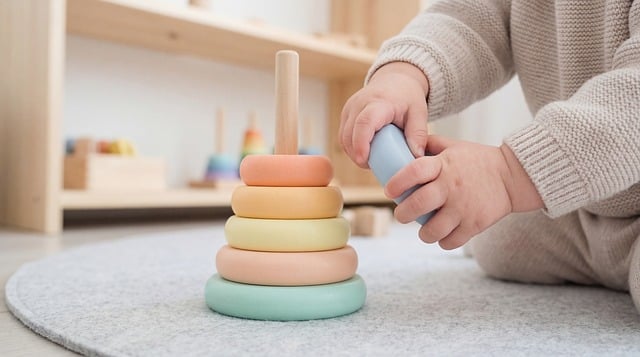
Providing Age-Appropriate Toys: Providing age-appropriate toys is crucial for your toddler's development. Choose toys that stimulate their curiosity and encourage problem-solving. Blocks, puzzles, and interactive toys are excellent choices. Rotate toys regularly to keep their interest alive and provide new challenges. Age-appropriate toys not only entertain but also support cognitive and motor skill development.
Decision-making is a vital skill that helps toddlers develop a sense of autonomy and confidence. By offering choices and encouraging problem-solving, you can help your child learn to make decisions and understand the consequences of their actions.
Offering Simple Choices: Offering simple choices is an effective way to promote decision-making in toddlers. Provide options that are age-appropriate, such as choosing between two outfits or selecting a snack. These small decisions help toddlers feel in control and boost their confidence. It's important to ensure that the choices are manageable to avoid overwhelming them.
Encouraging Problem-Solving: Encourage problem-solving by presenting your toddler with age-appropriate challenges. This could be as simple as figuring out how to fit a shape into a sorter or solving a basic puzzle. Allow them to attempt solutions on their own before stepping in to help. This approach teaches them to think critically and enhances their problem-solving skills.
Allowing Natural Consequences: Allowing natural consequences is a powerful way to teach toddlers about decision-making. For example, if they refuse to wear a coat, let them experience feeling cold briefly. These natural consequences help them understand the impact of their choices without the need for constant intervention. It's important to ensure that the consequences are safe and appropriate for their age.
Positive reinforcement is a key strategy in building your toddler's confidence. By acknowledging their efforts and using encouraging language, you can help your child feel valued and motivated to continue developing their independence.
Praising Efforts, Not Just Results: Praising efforts rather than just results is crucial for building your toddler's confidence. Recognize and celebrate the hard work they put into tasks, regardless of the outcome. This approach encourages a growth mindset, where they learn to value persistence and effort over perfection. It also motivates them to keep trying new things without fear of failure.
Using Encouraging Language: Using encouraging language helps to build your child's self-esteem. Instead of focusing on what they did wrong, highlight what they did right and offer constructive feedback. Phrases like 'You did a great job trying to put on your shoes' or 'I love how you worked hard on that puzzle' can make a significant difference in how they perceive their abilities and efforts.
Setting Achievable Goals: Setting achievable goals is important for maintaining your toddler's motivation and confidence. Break down larger tasks into smaller, manageable steps that they can accomplish. Celebrate these small victories to help them build a sense of achievement. Gradually increase the complexity of the goals as they become more confident in their abilities.
Routines and consistency provide toddlers with a sense of security and predictability. By establishing a daily schedule and maintaining consistent rules, you can create an environment where your child feels safe to explore and develop their independence.
Creating a Daily Schedule: Creating a daily schedule helps toddlers understand what to expect each day, reducing anxiety and making them feel secure. Include time for meals, naps, play, and learning activities. Consistency in the routine helps them develop self-discipline and time management skills. It's also beneficial to involve them in setting up the schedule, giving them a sense of control.
Consistency in Rules and Expectations: Consistency in rules and expectations is crucial for fostering independence. Clearly communicate the rules and follow through with them. Consistent expectations help toddlers understand boundaries and make informed decisions within those limits. It also reduces confusion and helps them feel more confident in their actions.
Balancing Flexibility with Routine: While routines are important, it's also essential to balance them with flexibility. Allow for adjustments in the schedule to accommodate new experiences and spontaneous activities. This balance helps toddlers learn to adapt to changes while still feeling secure in their routine. Flexibility also encourages them to be open to new opportunities and experiences.
Modeling independence is one of the most effective ways to teach your toddler. By demonstrating self-care, involving them in household tasks, and encouraging independent play, you can show them the value of being self-reliant.
Demonstrating Self-Care: Demonstrate self-care by allowing your toddler to see you engage in daily routines, such as brushing your teeth, getting dressed, and preparing meals. Explain what you are doing and why it is important. This modeling helps them understand the importance of taking care of themselves and encourages them to mimic these behaviors.
Involving Toddlers in Household Tasks: Involving toddlers in household tasks is a practical way to teach independence. Assign them simple chores, like putting away toys, setting the table, or helping with laundry. These tasks not only teach responsibility but also make them feel like contributing members of the family. Be patient and provide guidance as needed, ensuring the tasks are age-appropriate.
Encouraging Independent Play: Encouraging independent play is essential for your toddler's development. Provide a variety of toys and activities that they can engage with on their own. Independent play fosters creativity, problem-solving, and decision-making skills. It's important to create a balance between interactive play with you and time for them to explore and play independently.
Fostering independence in toddlers is a multifaceted approach that involves nurturing their self-help skills, creating a safe environment, promoting decision-making, building confidence, establishing routines, and modeling independence. These strategies collectively empower your child to become self-reliant and confident individuals, setting the foundation for their future growth and success.
Recap of Strategies: In summary, the key strategies to foster independence in toddlers include: encouraging self-help skills, creating a safe and explorative environment, promoting decision-making, building confidence through positive reinforcement, establishing routines and consistency, and modeling independence. Each of these strategies plays a crucial role in your child's development.
Long-term Benefits of Fostering Independence: The long-term benefits of fostering independence in toddlers are profound. Independent children tend to be more confident, resilient, and capable of handling challenges. They develop strong problem-solving skills and are more likely to take initiative. These traits not only contribute to their personal growth but also prepare them for academic and social success in the future. By empowering your toddler now, you are laying the groundwork for a lifetime of self-reliance and confidence.
Find the perfect name for your baby
Discover your baby's Governing Planet, Temperament, Rising Sign and Rising Degree with a holistic Nameology reading.
Get a full 4-Aspect nameology report
By NiceBabyName Editorial Team
Expert insights on baby names, nameology, and the Four Aspects methodology by Dr. Hosein Arani, M.D.
Share Article
Shop baby essentials
Handpicked baby & nursery ideas for expectant parents. As an Amazon Associate we earn from qualifying purchases.