Understanding Toddler Development: Navigating Talking Milestones for Ages 3 to 4
Toddler, Development
June 28, 2026, 7:57 a.m.
Toddlerhood is an exciting and critical stage of development that spans from ages 1 to 4. During this period, children undergo rapid growth and transformation in various domains, including cognitive, emotional, social, and physical development. Among these, language and speech development hold a significant place as they lay the foundation for effective communication, self-expression, and learning. Understanding the intricacies of toddler development, particularly talking milestones for ages 3 to 4, is essential for parents and caregivers to support and nurture their child's growth effectively.
Overview of Toddler Development: The toddler years are marked by remarkable developmental achievements. From taking their first steps to uttering their first words, toddlers exhibit a range of new skills that reflect their growing independence and curiosity. During this phase, children transition from being heavily reliant on their caregivers to exploring the world around them with increasing confidence. Cognitive development accelerates as toddlers begin to understand concepts, solve simple problems, and engage in imaginative play. Emotional and social development also take center stage as toddlers learn to express their feelings, develop empathy, and interact with peers.
Importance of Talking Milestones: Talking milestones are crucial indicators of a toddler's overall development. Language skills are intertwined with cognitive and social growth, making it essential to monitor and support speech and language milestones. Achieving these milestones helps toddlers communicate their needs and thoughts, build relationships, and navigate their environment more effectively. Furthermore, early language development is a predictor of later academic success and social competence. By understanding and facilitating talking milestones, parents and caregivers can create a supportive environment that fosters robust language skills.
Age-Specific Developmental Milestones: Developmental milestones provide a framework for understanding what typical growth looks like at different ages. For toddlers aged 3 to 4, milestones include both language and non-language skills. At this stage, children typically begin to use more complex sentences, follow multi-step instructions, and engage in conversations. They also start to understand the rules of grammar and expand their vocabulary rapidly. Non-language milestones include improved motor skills, greater independence in daily activities, and the ability to play cooperatively with other children. Recognizing these milestones helps caregivers identify areas where their child is thriving and areas that may need additional support.
As toddlers grow, their speech and language abilities evolve significantly. Between ages 3 and 4, children make considerable strides in their ability to communicate. This section delves into the typical speech and language development expected during this period, key milestones to watch for, and common variations in development.
Typical Speech and Language Development: By the age of 3, most children can speak in simple sentences and are understood by familiar adults. They begin to use plurals, pronouns, and prepositions correctly. As they approach age 4, their sentences become more complex, often including multiple clauses. Vocabulary growth is rapid, with children typically knowing and using around 1,000 words by their fourth birthday. They start to understand and use past tense and can engage in back-and-forth conversations. Comprehension also improves, allowing them to follow more complex instructions and understand stories read to them.
Key Milestones to Expect: Key talking milestones for ages 3 to 4 include the ability to form complex sentences, use a wide range of vocabulary, and engage in conversations with both peers and adults. Children should be able to tell simple stories, describe events, and express their needs and feelings clearly. They also begin to understand and ask 'who,' 'what,' 'where,' and 'why' questions. Another important milestone is the ability to follow multi-step instructions, such as 'Please pick up your toys and put them in the box.' These milestones indicate that a child is developing the necessary language skills to communicate effectively and understand their environment.
Common Variations in Development: It's important to recognize that there is a wide range of normal when it comes to speech and language development. Some children may reach these milestones earlier than others, while some may take a bit longer. Factors such as bilingualism, personality, and individual differences can influence the pace of language development. For instance, a child who is more reserved may speak less frequently but still have a good understanding of language. Conversely, a child who is very social may practice speaking more and hit milestones earlier. It’s crucial for parents and caregivers to be patient and supportive, understanding that each child develops at their own pace.
Supporting a child's language development requires intentional activities and strategies that encourage talking and listening. This section explores various methods to promote speech and language growth, including interactive reading and storytelling, songs and word games, and encouraging conversations and questions.
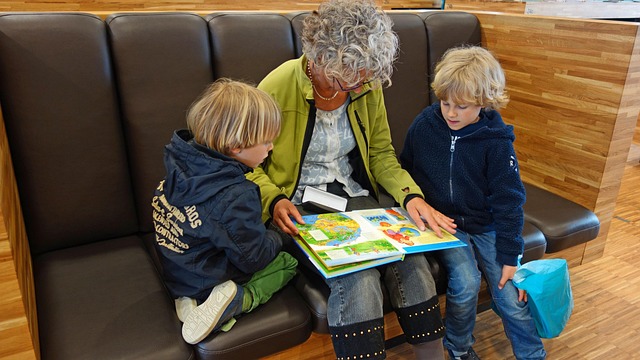
Interactive Reading and Storytelling: Reading to children is one of the most effective ways to support language development. Interactive reading, where caregivers ask questions about the story and encourage the child to predict what will happen next, can significantly enhance vocabulary and comprehension skills. Storytelling, whether from books or made-up tales, stimulates imagination and helps children understand narrative structures. It's beneficial to choose books with repetitive phrases and rhymes, as these elements can make it easier for toddlers to remember and learn new words. Encouraging children to retell the story in their own words also promotes expressive language skills.
Songs, Rhymes, and Word Games: Songs and rhymes are powerful tools for language development. The repetitive nature of songs and rhymes helps children learn new words and sounds. Singing together can improve a child's ability to remember words and understand rhythm and intonation in speech. Word games, such as 'I Spy' or simple rhyming games, can also be very effective. These activities make learning fun and engaging, helping children to expand their vocabulary and practice forming sentences. Incorporating actions or gestures with songs and rhymes can further reinforce language learning and make the experience more interactive.
Encouraging Conversations and Questions: Engaging children in conversations is crucial for developing their language skills. Caregivers should encourage toddlers to talk about their day, express their feelings, and ask questions. Open-ended questions that require more than a yes/no answer can stimulate more complex language use. It's important to listen actively and respond to what the child says, which validates their efforts to communicate and encourages further conversation. Creating a language-rich environment, where talking and listening are a regular part of daily activities, can significantly enhance a child's speech and language development.
While many children develop speech and language skills at their own pace, some may experience delays or difficulties. Recognizing the signs of potential speech and language issues early can lead to timely intervention and support. This section discusses the indicators of speech and language delays, when to seek professional help, and early intervention strategies.
Signs of Speech and Language Delays: Signs of speech and language delays can vary, but some common indicators include limited vocabulary for their age, difficulty forming sentences, and trouble understanding simple instructions. If a child is not using two- to three-word sentences by age 3 or cannot be understood by strangers by age 4, these could be signs of a delay. Other signs include difficulty pronouncing words, omitting sounds, or having a hard time following conversations. It's important to monitor these signs and compare them with typical developmental milestones to determine if there may be a concern.
When to Seek Professional Help: If parents or caregivers notice signs of speech and language delays, it's essential to seek professional help. Consulting with a pediatrician or a speech-language pathologist can provide a clearer understanding of the child's development. These professionals can conduct assessments to determine if there are any underlying issues and recommend appropriate interventions. Early detection and intervention are crucial, as they can significantly improve outcomes for children with speech and language delays. It's better to address concerns early rather than adopting a 'wait and see' approach.
Early Intervention Strategies: Early intervention strategies for speech and language delays include speech therapy, language-enriching activities, and creating a supportive communication environment. Speech therapy with a licensed professional can provide targeted exercises and techniques to improve specific areas of difficulty. At home, parents can engage in activities that promote language development, such as reading together, playing word games, and encouraging conversation. Providing positive reinforcement and being patient with the child's efforts can also make a significant difference. The goal of early intervention is to equip children with the skills they need to communicate effectively and confidently.
Parents and caregivers play a vital role in supporting their child's speech and language development. Accessing the right resources can provide valuable guidance and support. This section outlines useful books, online resources, support groups, and professional services that can aid in fostering a child's talking milestones.
Books and Online Resources: There are numerous books and online resources available that focus on toddler development and language skills. Books written by child development experts can offer insights into typical milestones and practical strategies for supporting speech and language growth. Online resources, including websites and blogs dedicated to early childhood development, provide a wealth of information, tips, and activities. These resources can be particularly helpful for parents looking for new ideas and approaches to enhance their child's language development. It's important to choose reputable sources that are based on scientific research and evidence-based practices.
Support Groups and Communities: Joining support groups and communities, both online and in-person, can offer parents and caregivers a network of support and shared experiences. These groups provide a platform to discuss concerns, share successes, and exchange tips on promoting language development. Support groups can also connect parents with professionals and experts who can offer advice and answer questions. Being part of a community can alleviate feelings of isolation and provide reassurance that others are experiencing similar challenges and triumphs in their parenting journey.
Professional Services and Therapies: Professional services and therapies play a crucial role in addressing speech and language delays. Speech-language pathologists (SLPs) are trained to diagnose and treat communication disorders and can work with children to improve their speech and language skills. Other therapies, such as occupational therapy, may also be beneficial if a child's speech delay is related to broader developmental issues. Accessing these services early can lead to better outcomes and support the child's overall development. Parents should not hesitate to seek professional advice if they have concerns about their child's speech and language milestones.
Find the perfect name for your baby
Discover your baby's Governing Planet, Temperament, Rising Sign and Rising Degree with a holistic Nameology reading.
Get a full 4-Aspect nameology report
By NiceBabyName Editorial Team
Expert insights on baby names, nameology, and the Four Aspects methodology by Dr. Hosein Arani, M.D.
Share Article
Shop baby essentials
Handpicked baby & nursery ideas for expectant parents. As an Amazon Associate we earn from qualifying purchases.